

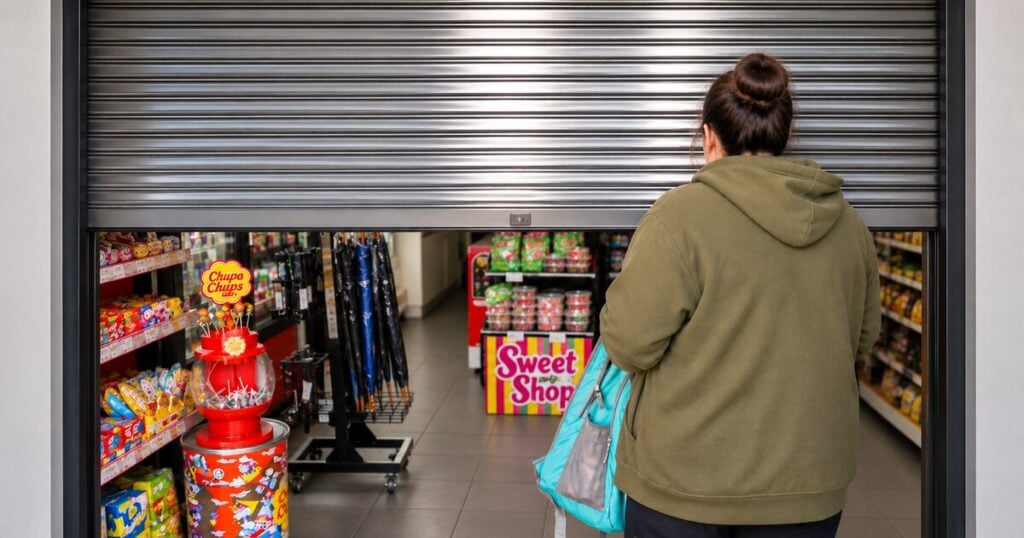
At least 1,436 closure orders, notices and reported shutdowns have been issued across five states since November 2025, with 348 still in force in the first week of November, according to figures compiled by The Nightly. For legitimate retailers the more important number is in the same report. In Queensland, legal tobacco sales jumped 55 per cent in the first month after closure powers began and stayed 40 to 45 per cent above previous levels for the next six months.
The state tallies
NSW leads with 523 closure orders since its powers began on 3 November 2025, 123 of them still in force at 30 October. South Australia issued 281 between November 2025 and 2 October 2026, almost all 28-day orders, with 20 in force this month. Victoria has issued 118 closure notices since its powers began on 9 September, and all 118 were still in force at 27 October. WA Health confirmed 96 closures. Queensland named the 49 premises currently closed. The orders have caught convenience stores, supermarkets, newsagents, gift shops and three WA barbershops, not just tobacconists.
The forecourt operation
Service stations are not outside the net. In August, the Australian Border Force, the AFP and partner agencies targeted 106 service stations across six jurisdictions, resulting in 11 temporary closures and 106 persons of interest identified, The Nightly reported.
South Australia goes further
The SA Government introduced a bill on 13 October that would add a 130-day closure order between the current 28-day order and the 12-month court order, the longest short-of-court closure in the country. Maximum jail terms for dealing would rise to 17 years, and the top fine for large commercial quantities would rise from $6.6 million to $21 million. The bill would also ban ATMs in stores selling prohibited product or trading without a licence, and let landlords end leases during a closure. It is before Parliament.
The Victorian alternative
On 7 November the Victorian Liberals, led by Jess Wilson, promised to extend Victoria’s 90-day orders to 150 days, ban ATMs in offending stores, let landlords terminate leases without compensation and make illicit tobacco trafficking an offence under racketeering laws. Shadow police minister Brad Battin pointed to Taskforce Lunar linking the trade to more than 300 arson attacks and six homicides. The Government called the policy unfunded, saying it carried no commitment to more inspectors.
The gaps
The Northern Territory has no power to issue closure orders. The ACT says it will introduce legislation before the end of the year. Tasmania has had powers since July and has not issued an order. Sellers are adapting where orders bite: the NSW Government has warned that closed operators are using QR codes and social media to keep trading. NSW Health Minister Ryan Park has said high federal excise leaves enforcement playing “whack-a-mole”. University of Sydney public health professor Becky Freeman rejects cutting excise as a fix.
For independent operators
The Queensland sales data is the first hard evidence that enforcement sends customers back to licensed counters, and it held for six months rather than fading after a fortnight. Operators in states where closures are rising should check that tobacco ranging, stock holding and staff rostering are ready for that return, rather than assuming the category is in permanent decline.
The compliance side gets stricter as penalties climb. SA’s proposed ATM ban hangs off licensing, so a lapsed tobacco licence could cost a site more than its tobacco sales. Keep licences current, buy only through licensed wholesalers and keep the invoices. Make sure every staff member knows that nothing comes in through the back door.